

Put stunning detail front and center.
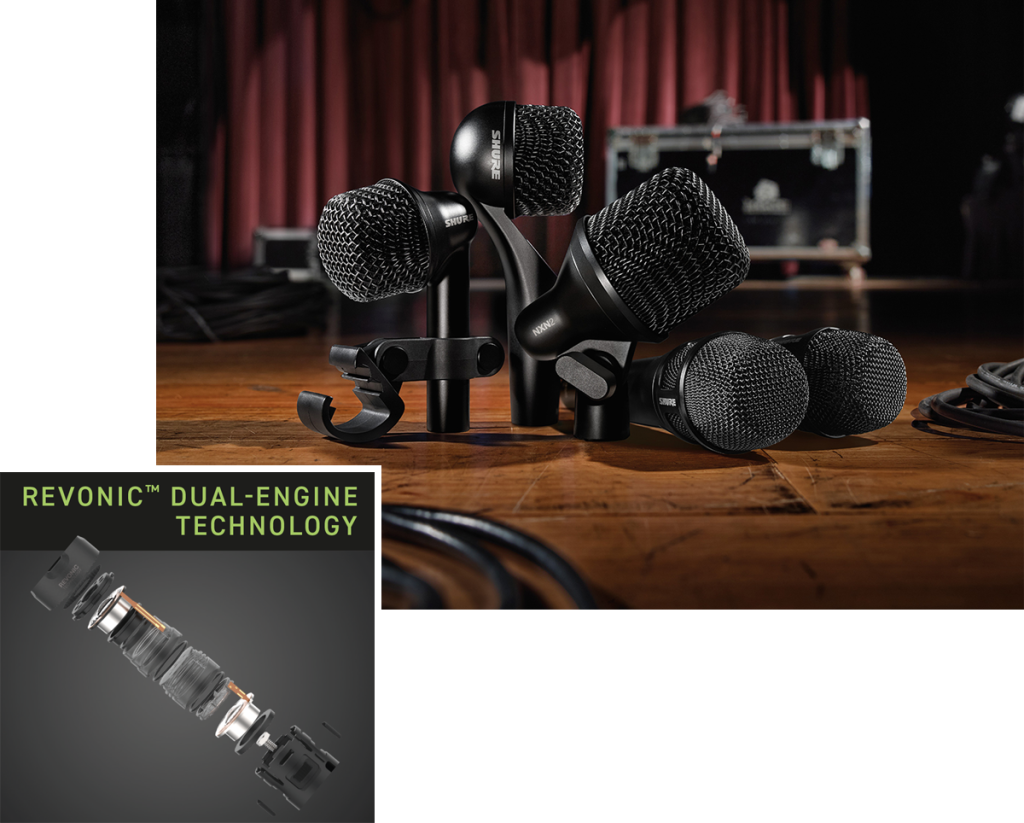
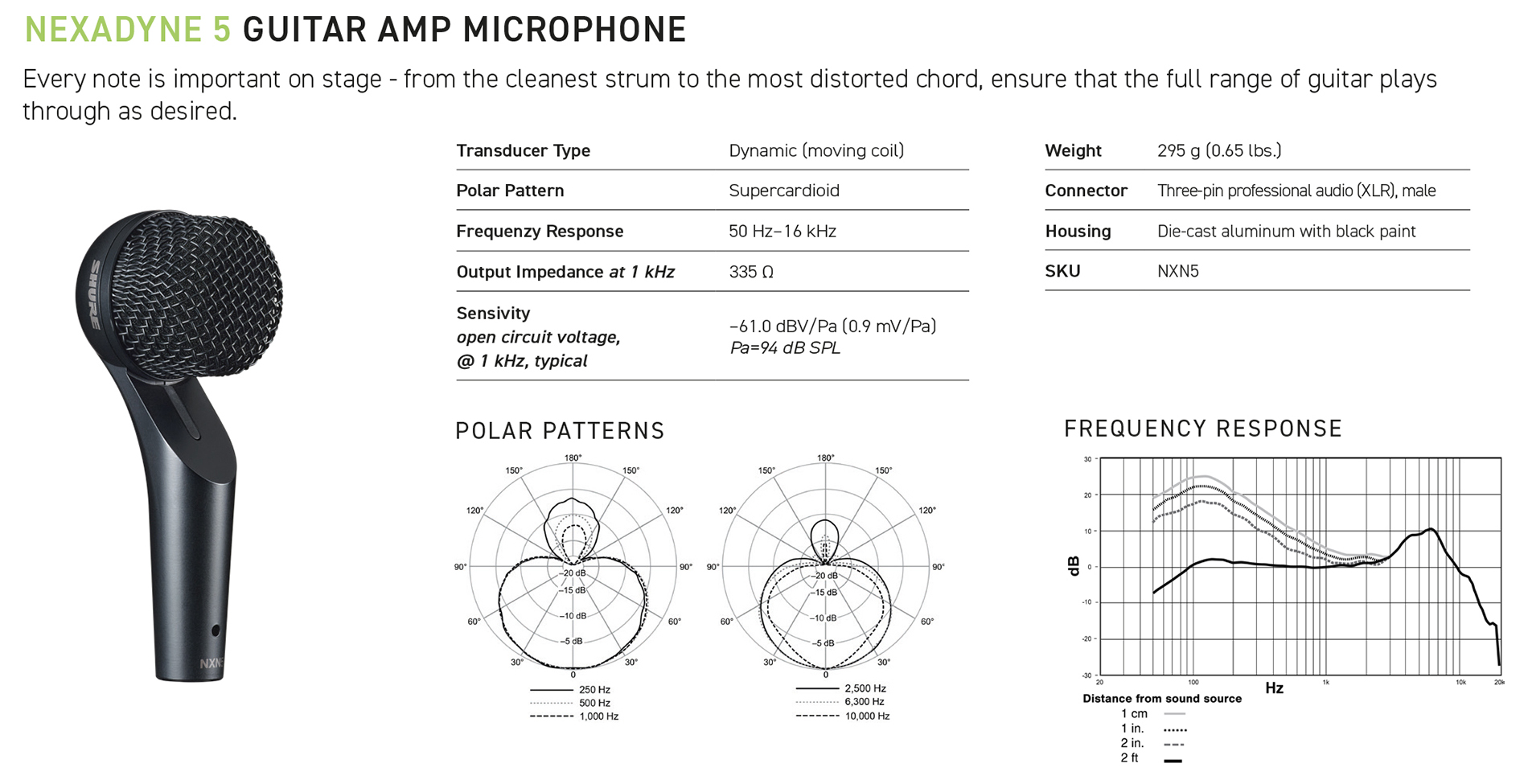
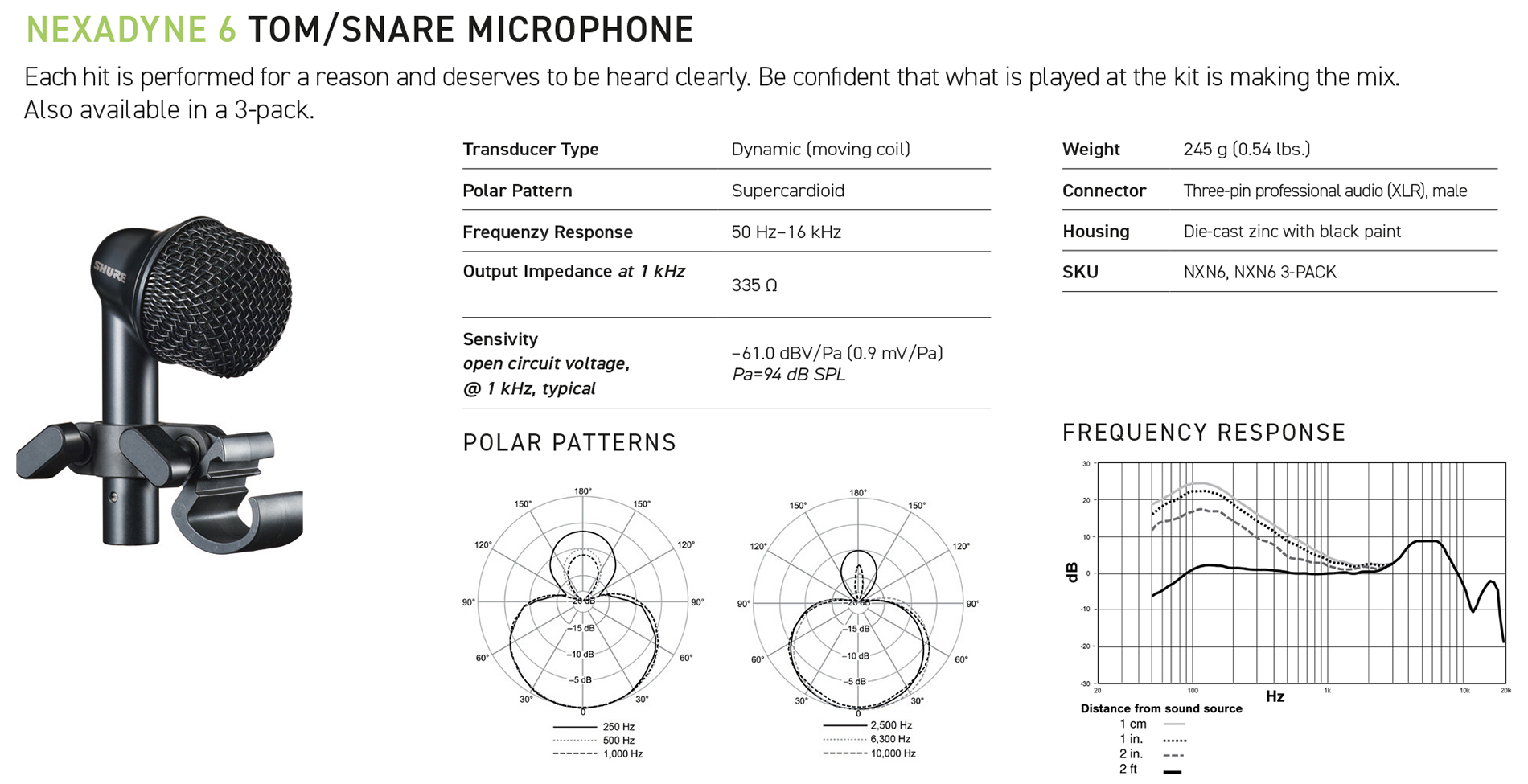
It’s a revolutionary approach to live sound. With Nexadyne Instrument Microphones, guitars and drums come through powerfully and naturally — with less work at the board. The supercardioid dynamic microphones faithfully capture what you hear at the instrument for authentic and natural sound that requires little to no additional EQing. And by surpassing real-world reliability standards, Nexadyne mics are the road-ready choice for modern touring.
All Nexadyne instrument microphones feature patented Shure Revonic™ dual-engine transducer technology features two precisely calibrated transducers working together to achieve optimal performance—more of the desired sound source and less unwanted environmental noise.


4 Channels of Wireless Versatility
SLX-D Wireless is the natural choice for a multitude of wireless audio applications including live performance, houses of worship, presentation, education, theater, content creation, and broadcast with industry-standard Wireless Workbench connectivity included. With a wide selection of components, configurations, and microphone options, Shure has continued to invest in the SLX-D platform, and we’re pleased to announce the introduction of SLXD Quad Receivers.
Available in 4-ch standard (SLXD4Q+) and Dante-enabled (SLXD4QDAN+) versions, wideband SLX-D Quad Receivers build upon the rich feature set of SLX-D Digital Wireless with an exciting suite of new improvements.

The SLXD4QDAN+ provides Dante Audio digital output that allows direct connection to digital consoles.
• Switched – Control and audio signal are on the same network
• Redundant Audio – Control and audio are on the same network, with a second separate network for back-up audio only
• Split – Control and audio signals are on separate networks
This new receiver also allow you to manage the number of output signals. It determines the number of available mixer channels, sets audio output levels on the SLX-D Quad receiver and match number of audio outputs to open mixer channels. It also sums channel outputs as necessary:
• 1,2,3,4 = 4 outputs
• 1+2,3,4 = 3 outputs
• 1,2,3+4 = 3 outputs
• 1+2,3+4 = 2 outputs
• 1+2+3+4 = 1 output
